When the Traditional Route Doesn’t Fit, There’s a Smarter Road Worth Taking
For many buyers, the dream of homeownership is still alive, but the traditional path can feel heavier than it used to. Home prices are high in many markets. Mortgage rates still affect buying power. Property taxes, insurance, utilities, and everyday living costs all compete for the same paycheck. When you start looking at site-built homes and the monthly payment feels out of reach, it is natural to wonder whether there is another way.
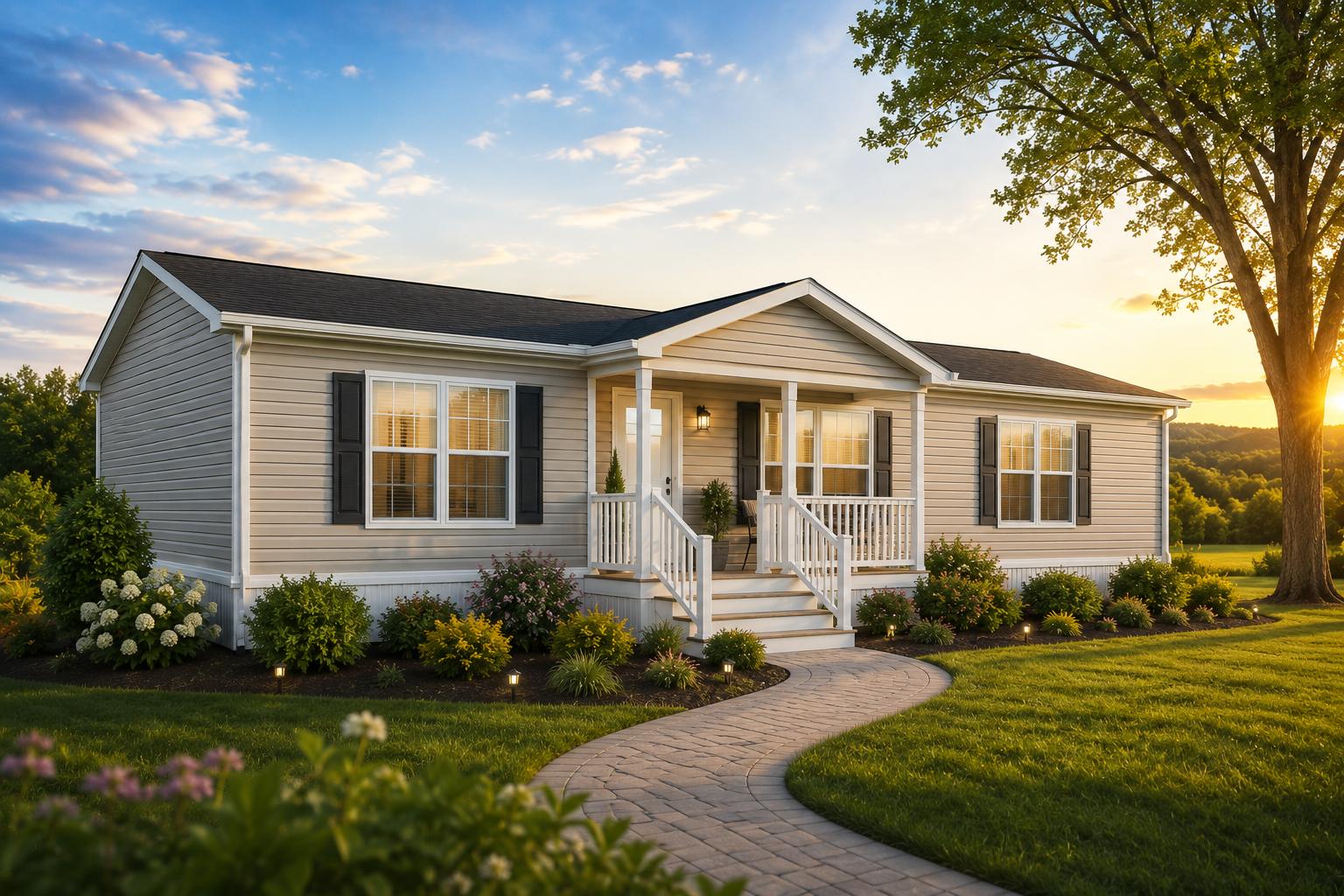
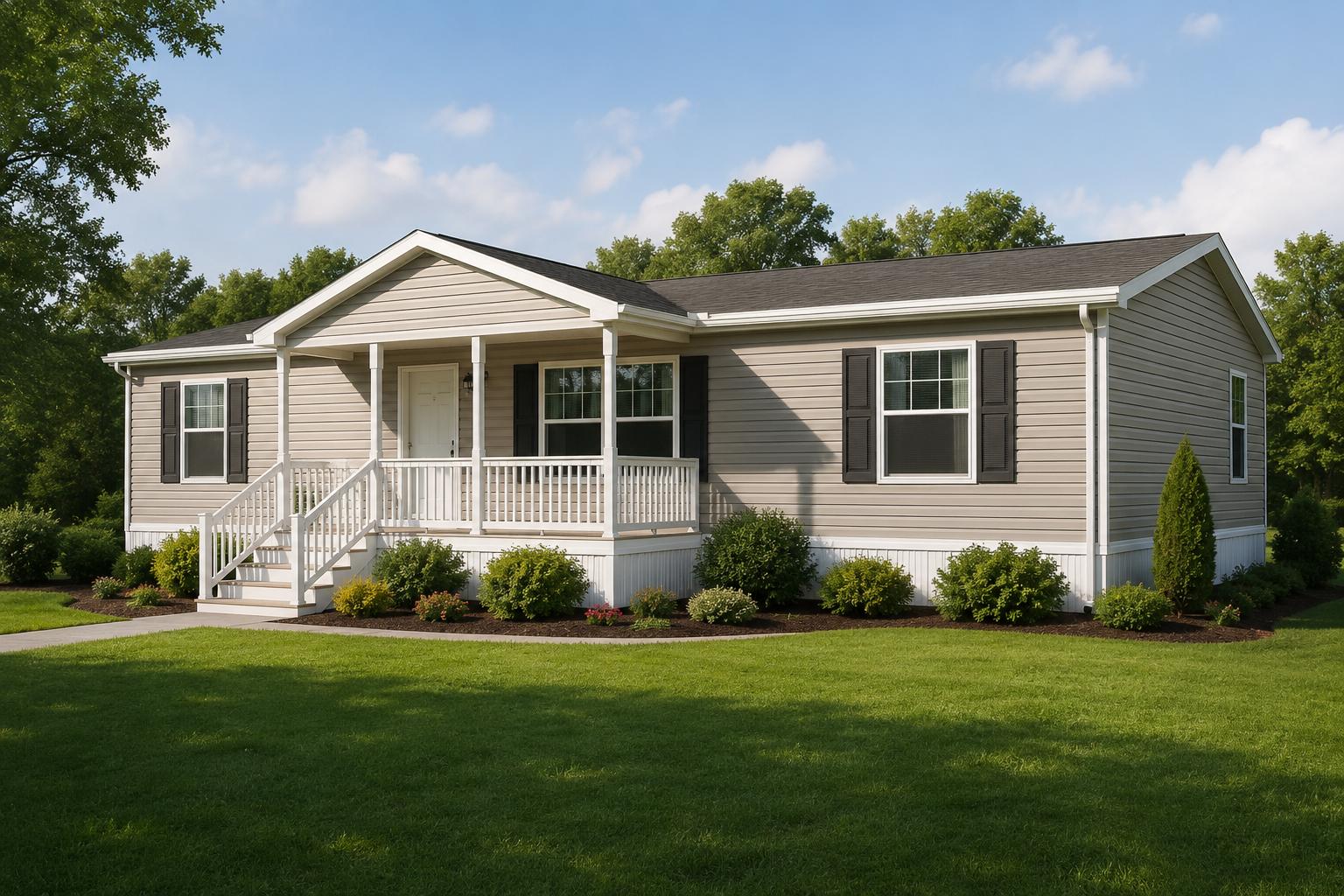
If you’ve ever considered a manufactured home, you may already be closer to homeownership than you think, especially if you’re familiar with what the FHA brings to the table. A modern manufactured home is not the outdated stereotype that many people still hold in their minds. Today’s manufactured homes can be attractive, efficient, comfortable, and far more affordable than many traditional site-built homes. For buyers who want to own rather than rent but need a lower-cost entry point, an FHA manufactured home loan can help turn that possibility into a real plan.
Why Manufactured Homes Can Be a Practical Choice
A manufactured home can give you something every buyer wants: a real place to call your own without the same price pressure that often comes with traditional construction.
That matters because affordability is not just about the sales price. It is about the full monthly payment. It is about how much cash you need to close. It is about whether you can still afford groceries, gas, school expenses, medical bills, savings, and life after the mortgage payment clears.
For some buyers, a manufactured home creates breathing room. You may be able to buy a newer home, choose a floor plan that fits your needs, and avoid some of the repair concerns that come with older resale homes. You may also have the option to place the home on land you own, finance a home in a manufactured housing community, or structure the purchase to fit your situation better.
Title I vs. Title II: Understanding the Difference
-
FHA Title I Manufactured Home Loans
FHA Title I manufactured home loans are designed to help qualified borrowers finance a new or used manufactured home, a manufactured home lot, or a combination of the home and lot. Title I program insures loans made by private lenders, which helps reduce lender risk and encourages financing for manufactured homes.
The Federal Housing Administration does not lend the money directly. Instead, an approved lender makes the loan, and FHA insurance gives the lender added protection. That protection can make financing more available for buyers who might otherwise be pushed toward shorter-term, higher-cost consumer financing.
Manufactured homes were historically financed as personal property through comparatively high-interest, short-term consumer installment loans. Title I was created to increase access to affordable financing and allow buyers to finance manufactured homes with longer terms and lower interest rates than those of traditional consumer loans.
When Title I Can Make Sense
Title I can be especially useful when the manufactured home is not being financed the same way as a traditional house on owned land. Under HUD’s Title I manufactured housing guidance, FHA-approved lenders may finance the manufactured home unit, the lot, or the home and lot together. The home may be classified as personal property or real estate, depending on the transaction and local rules.
This matters because not every buyer owns land. Some buyers plan to place the home in a manufactured housing community. Others may purchase the home first and deal with the land separately. Some are buying both the home and the site together.
HUD also allows Title I manufactured homes to be placed on leased lots, such as in a manufactured home community. However, the lease must meet certain protections, including an initial lease term of at least three years and advance written notice before termination.
-
FHA Title II Manufactured Home Loans
FHA Title II is the side many buyers think of when they imagine a more traditional FHA mortgage. With Title II manufactured home financing, the home is generally treated more like real estate. The mortgage typically covers both the manufactured home and the land, and the home must meet FHA property and foundation requirements.
HUD’s Title II manufactured home guidance requires that eligible manufactured homes must have at least 400 square feet of floor area, must have been constructed after June 15, 1976, must be built to federal manufactured home construction and safety standards, and must be designed for use as a dwelling on a permanent foundation.
This is important because Title II can offer the familiar benefits of FHA financing while helping buyers purchase a manufactured home that is permanently attached to land. If you want the manufactured home to function more like a traditional real estate purchase, Title II may be the cleaner route.
Title I vs. Title II: The Simple Difference
The easiest way to think about it is this.
Title I is often used when the home may be financed as personal property, when the buyer is financing only the home, only the lot, or the home and lot combination through the Title I program. It can also work with leased land when program requirements are met.
Title II is generally used when the manufactured home and land are financed together as real property, with the home permanently affixed to an approved foundation.
Both programs serve the same larger purpose, helping more people access affordable homeownership through manufactured housing. The right one depends on how the property is titled, whether you own or lease the land, how the home is installed, and which lenders offer the program in your area.
The Benefits of FHA Manufactured Home Loans
- Affordability: Manufactured homes can cost less than many site-built homes, which may help lower the total loan amount and monthly payment.
- Access: FHA financing can be more flexible than some traditional loan options, especially for buyers with limited savings or solid but not perfect credit. HUD describes FHA’s broader home loan benefits as low down payments, low closing costs, and easier credit qualifying.
- Choice: Depending on the program, you may be able to finance the home, the land, or both. That gives you more ways to structure homeownership around your real situation, not just an ideal version.
- Stability: Renting can feel uncertain, especially when rents rise or lease terms change. Owning a manufactured home can give you more control over your living space and your long-term housing plan.
- Speed and Practicality: Manufactured homes are built in a controlled factory environment, which can reduce delays and cost swings associated with traditional construction. For buyers who need housing sooner, that can matter.
Who May Benefit Most From This Type of Financing?
FHA manufactured home loans can serve many kinds of buyers.
They may help first-time homebuyers who cannot comfortably afford a traditional site-built home. They may help retirees who want to downsize without giving up the independence of homeownership. They may help families looking for more space at a lower price point. They may help buyers in rural or suburban areas where land is available, but traditional construction costs are too high.
They can also help people who are tired of renting but do not want to wait years to save for a larger down payment. Homeownership does not always have to look one way. For some buyers, the manufactured home route is not a compromise. It is the path that makes the most financial and emotional sense.
What You Should Know Before You Apply
Manufactured home financing has details that matter. The home must meet applicable FHA standards. The site needs to be suitable. Installation and foundation requirements must be followed. If the home is new, Title I guidance says it must carry a one-year manufacturer’s warranty.
You will also want to work with a lender who understands manufactured housing. Not every lender offers every FHA manufactured home program, and not every manufactured home transaction fits neatly into FHA guidelines. A good mortgage professional can help you understand whether Title I or Title II makes more sense, how the land or lease affects the loan, and what documents are needed before you get too far into the process.
A More Affordable Way to Come Home
Homeownership is worth pursuing, even when the path looks complicated. The FHA manufactured home programs exist precisely because the government recognized that not everyone buys the same kind of home or starts from the same financial position. They’re a legitimate, well-structured way to build equity, establish roots, and own the place where your life happens.
If a manufactured home fits your vision, and FHA financing fits your situation, this could genuinely be the combination that gets you there. You owe it to yourself to find out.

Gerry is a licensed mortgage loan originator and digital marketer with 25+ years in the mortgage business, specializing in conversion rate optimization, SEO, AI Overviews, and generative engine optimization (GEO) for the mortgage and real estate industry. Today he builds agentic intelligent systems, meaning AI agents that research, create content, nurture leads, and handle follow-up, to help mortgage and real estate business owners get found online, convert more leads, and scale. Gerry pairs decades of hands-on industry knowledge with the latest AI tools, so his clients stay a step ahead of the market.