

For many people, the idea of a “dream home” doesn’t quite align with what’s already on the market. You scroll through listings, tour a few houses, and something always feels a little off. The layout isn’t right, the finishes feel dated, or the location is close, but not quite where you pictured yourself settling in.
So naturally, the thought comes up, what if I just build my own? That’s usually where things stall. Building a home sounds complicated, expensive, and honestly, a little intimidating. And for years, it often was. But programs like the FHA One-Time Close Construction Loan have quietly shifted that conversation, especially for buyers who don’t have perfect credit or a massive down payment saved.
What Is an FHA One-Time Close Construction Loan?
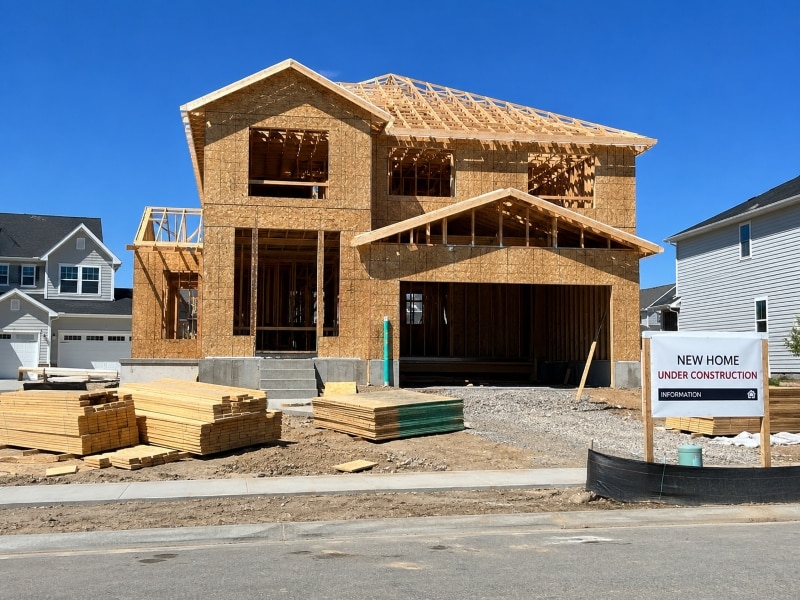
An FHA One-Time Close Construction Loan is designed for buyers who want to build a new primary residence rather than purchase an existing home. The loan combines the construction phase and the permanent mortgage into one financing package.
That matters because a traditional construction loan can involve two separate closings. First, you close on short-term construction financing. Then, once the home is built, you refinance into a permanent mortgage. That means two approval processes, two sets of closing costs, and more room for stress if rates, income, credit, or property values shift along the way.
With the FHA construction-to-permanent option, the goal is simpler. You close once before construction begins. Funds are released during the building process according to a draw schedule. When the home is finished, and the required inspections and documentation are complete, the loan converts into a permanent FHA mortgage.
For many buyers, that single-close structure feels less overwhelming. It does not remove every moving part, because building a home always takes planning, but it can make the financing side feel more organized.
Why This Loan Makes Building More Accessible
One of the biggest misconceptions about building a home is that it’s only for high-income buyers or those with deep savings. FHA loans have always leaned toward accessibility, and that same philosophy carries over here.
You’re typically looking at a minimum down payment of 3.5 percent. Credit requirements are more flexible than conventional construction loans. And because the Federal Housing Administration backs it, lenders are often more willing to work with buyers who might not fit a traditional mold. So instead of needing everything to be perfect on paper, there’s a bit more room for real life.
Why More Buyers Are Looking at Building Instead of Buying Existing Homes
In today’s market, many buyers are running into the same frustration. The existing homes they like are either priced too high, need too much work, or come with compromises they do not love. Maybe the layout is dated. Maybe the roof is aging. Maybe the location works, but the repairs do not. Maybe every move-in-ready home attracts enough attention to push the price beyond what feels comfortable.
Building can give you another path.
When you build, you are not limited to whatever happens to be available on the market that week. You may be able to choose the floor plan, finishes, energy features, lot, room layout, and design details that fit the way you actually live. For some buyers, that is worth the extra planning.
An FHA construction loan can help bridge the gap between the dream and the financing. It gives you a mortgage structure built around the process of creating the home, not just buying one that already exists.
One Loan, One Closing, Fewer Headaches
If you’ve ever gone through a mortgage closing, you know it’s not exactly a casual experience. Now imagine doing that twice, once before construction and again after.
The one-time close structure removes that second step entirely. You lock in your rate upfront, go through underwriting once, and avoid the uncertainty of re-qualifying later. That last part matters more than people think. Life changes, rates shift, and markets move. Having that stability baked in from day one can be a real relief.
It also means fewer closing costs, which can make a noticeable difference when you’re already budgeting for land, materials, and everything else that comes with building.
How the FHA Construction-to-Permanent Process Works
The process starts with a strong pre-approval. This is where your lender reviews your income, credit, debts, assets, employment history, and overall ability to qualify. Because construction loans involve more documentation than standard purchase loans, you want to work with someone who understands the details from the beginning.
Next comes the property and builder side. You will typically need a construction contract, plans and specifications, cost breakdowns, a draw schedule, permits, and builder documentation. The lender will also need to review the proposed home to make sure it meets FHA requirements.
The property is usually appraised based on its completed value, meaning the appraiser looks at what the home is expected to be worth once construction is finished. That completed-value approach is important because the home does not fully exist yet in the way a resale home does.
Once the loan closes, construction funds are not handed out all at once. They are released in stages as work is completed. Inspections help confirm progress before draws are paid. When construction is done, the home must meet the required standards before the loan enters its permanent phase. FHA’s Single Family Housing Policy Handbook is the central source for FHA single-family policy, including origination, endorsement, servicing, and related program standards.
The Advantages of an FHA Construction Loan
The first major advantage is the single closing. One closing can reduce duplication, simplify the timeline, and help you avoid going through a second full mortgage approval after the home is built.
The second advantage is the lower potential down payment. For buyers who do not have a large amount of cash saved, FHA financing can make building feel more reachable.
The third advantage is flexible credit qualifying. FHA is often more forgiving than many conventional loan programs, which can help buyers with steady income but less-than-perfect credit history.
The fourth advantage is long-term stability. Once construction is complete, the loan becomes a permanent FHA mortgage. That means you are not left scrambling to find takeout financing after the build.
The fifth advantage is control. You may have more say in the design, floor plan, materials, and features of the home. That can be especially valuable if you have specific needs, such as a home office, multigenerational layout, accessible features, or more functional storage.
What You Should Know Before You Start
An FHA construction loan can be powerful, but it is not casual financing. You need patience, documentation, and the right team.
Not every lender offers FHA One-Time Close Construction Loans. Not every builder is willing or able to work within the requirements. Not every lot, plan, or project will qualify. You will also need to be realistic about timelines, cost overruns, change orders, inspections, weather delays, and supply issues.
This is where good guidance makes all the difference. Before you fall in love with a lot or sign a builder contract, you want to know whether the project fits the loan program. A seasoned mortgage professional can help you understand what needs to happen first, what documents are needed, and how the numbers look before you get too far down the road.
Is an FHA Construction Loan Right for You?
This loan may be a good fit if you want to build a primary residence, need a lower-down-payment option, prefer one closing instead of two, and want the flexibility of FHA financing. It may also make sense if you have searched the resale market and cannot find a home that fits your needs without major compromises.
Still, the right loan depends on the full picture. You need to look at the land, construction budget, builder, loan limits, credit profile, debt-to-income ratio, cash reserves, and long-term payment comfort. The goal is not just to qualify. The goal is to build a home you can enjoy without feeling financially stretched every month.
Turning an Idea Into Something Real
There’s a moment, usually somewhere in the middle of the process, when it starts to click. The foundation is poured, the frame goes up, and suddenly, this idea you’ve been carrying around feels real.
You’re not just imagining where the couch will go or how the kitchen will look. You’re walking through it, seeing it take shape day by day.
That’s the part people don’t always talk about. Building a home isn’t just a financial decision. It’s a personal one. It reflects how you want to live, what matters to you, and where you see yourself in the years ahead.
With the FHA One-Time Close Construction Loan, that experience becomes more accessible, more structured, and a lot less intimidating than it once was. And for many buyers, that’s all it takes to move from “maybe someday” to actually getting started.

Gerry is a licensed mortgage loan originator and digital marketer with 25+ years in the mortgage business, specializing in conversion rate optimization, SEO, AI Overviews, and generative engine optimization (GEO) for the mortgage and real estate industry. Today he builds agentic intelligent systems, meaning AI agents that research, create content, nurture leads, and handle follow-up, to help mortgage and real estate business owners get found online, convert more leads, and scale. Gerry pairs decades of hands-on industry knowledge with the latest AI tools, so his clients stay a step ahead of the market.