
It’s important to choose the right moving company when you’re planning your move to Texas, as this can greatly impact your overall experience. Whether you’re relocating for work, family, or a fresh start, finding a reliable and efficient mover will help you avoid unnecessary stress. In this guide, you’ll learn how to evaluate moving companies, compare services, and make informed decisions to ensure your belongings arrive safely and on time. By understanding your options, you can make your transition to Texas smooth and straightforward.
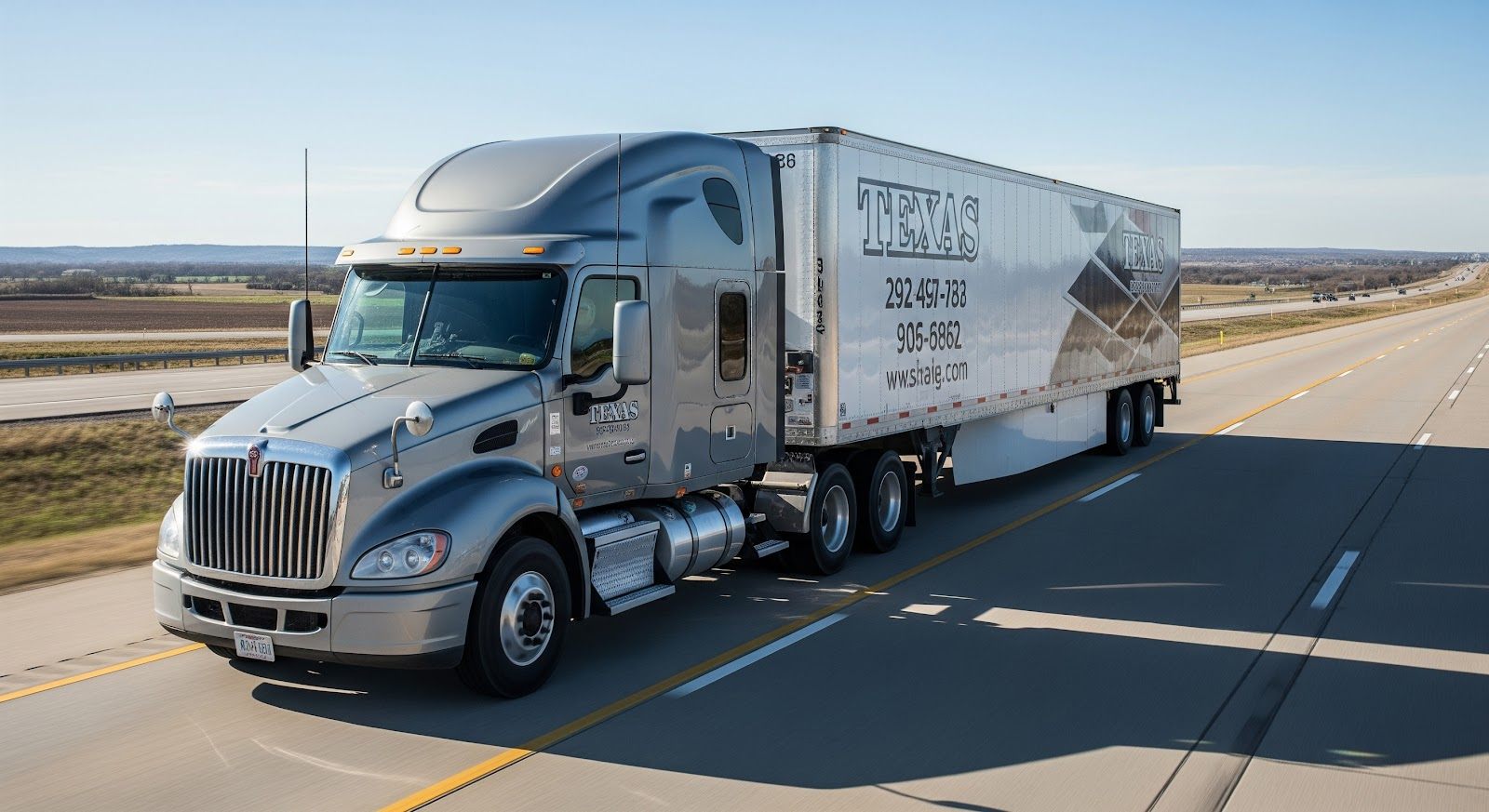
The Essential Role of Moving Companies in Your Texas Relocation
Moving companies streamline your Texas relocation by handling logistics, packing, and transportation, minimizing stress and delays. Whether you’re moving to bustling Houston or suburban Austin, professional movers bring efficiency and resources to navigate long distances and tight schedules. Their expertise reduces the risk of damage and ensures timely delivery, letting you focus on settling into your new home and community without the hassle of managing every detail yourself.
Evaluating Services and Expertise
Look beyond basic pricing and assess moving companies on their specialized services, such as handling fragile items, storage options, and customized packing materials. Check for certifications like the Texas Moving & Storage Association membership and read reviews highlighting punctuality and communication. Companies with experience in Texas relocations often provide tailored solutions for navigating the state’s diverse climates and urban versus rural destinations, which can make a significant difference in your move’s outcome.
The Importance of Local Knowledge
Movers with local expertise understand Texas traffic patterns, weather challenges, and neighborhood access restrictions, speeding up your relocation. Familiarity with areas like Dallas-Fort Worth’s construction zones or San Antonio’s historic districts helps them plan routes and timing efficiently. Choosing a company rooted in Texas means they can avoid common pitfalls like navigating delivery restrictions in gated communities or adjusting plans quickly during sudden weather changes, ensuring your move stays on track.
Delving deeper, local movers often maintain relationships with regional storage facilities and have insight into municipal regulations that impact parking and unloading zones. Their ability to anticipate challenges such as seasonal heat spikes in summer or thunderstorms during spring adds a layer of security to your move.
Navigating the Costs: Pricing Models of Moving Companies
Analyzing your moving budget means getting familiar with how companies charge for their services. Most movers offer either hourly rates or flat fees, and your choice impacts total expenses significantly. Hourly rates can fluctuate based on time spent and the crew size, while flat fees provide a set price often based on weight and distance. Evaluating your move specifics, like distance, property size, and timing, can help determine which model better aligns with your financial plan. Watching how different companies structure their pricing upfront saves surprises during final billing.
Understanding Hourly Rates vs. Flat Fees
Hourly rates bill you for every hour the movers work, often ranging from $90 to $150 per hour, depending on your location and crew size. This model might suit local moves or simple, quick jobs. Flat fees lock in a total price based on factors like miles, weight, and service complexity, typically used for long-distance relocations. Selecting between the two depends on your move’s distance, amount of stuff, and how well-packed your belongings are; a longer move or heavy load often favors flat fees for predictable budgeting.
Hidden Charges and How to Avoid Them
Several charges can sneak up on you beyond the basic moving fee, think elevator fees, long carry charges if movers can’t park close, or additional costs for bulky items like pianos. You might also face expenses for packing materials or last-minute scheduling changes. Checking the fine print in quotes and asking movers detailed questions upfront will help you spot these additions before signing any contracts.
Some companies include fees for stair carries, charging around $100 or more per flight if elevators aren’t available. Extra charges apply if you request storage-in-transit or require specific handling for fragile valuables. Avoid surprises by requesting a comprehensive written estimate that itemizes all expected costs. Also, confirming the company’s policies on liability and potential extra charges, such as fuel surcharges during peak seasons, helps you prepare a realistic budget and negotiate better terms.
Spotlight on Quality: Choosing the Right Moving Company
Selecting a moving company goes beyond comparing prices; focus on professionalism, licensing, and experience. Look for movers registered with the Federal Motor Carrier Safety Administration (FMCSA) to avoid scams, especially since Texas sees thousands of newcomers each year. Companies with over five years in business often have refined processes to handle large volume moves efficiently. Transparent estimates, clear contract terms, and proper insurance coverage protect your belongings and peace of mind during the busy moving season in cities like Austin and Dallas.
Red Flags to Watch Out For
Be wary if a moving company demands large upfront deposits, refuses to provide a physical address, or gives vague estimates without an in-home inspection. Frequent complaints about damaged goods or delayed deliveries in online forums also signal trouble. In Texas’ competitive market, these warning signs often point to unreliable service liable to disrupt your carefully planned move.
The Value of Customer Reviews and Recommendations
Customer feedback reveals how a moving company performs under real conditions. Reviews mentioning timely arrival, professionalism, and handling fragile items carefully can guide your decision. Recommendations from friends or locals who’ve recently moved within Texas further reduce unknown risks and streamline your choice among numerous options.
Digging deeper into reviews can expose patterns missed in promotional materials. For instance, some movers may excel with local intrastate jobs but struggle with long-distance moves. Spotting trends in complaint resolution or additional fees helps you prepare for potential challenges. Local Facebook groups and Texas-specific forums often provide candid accounts and can connect you with trustworthy movers seasoned in navigating the state’s vast geography and peak moving months. One moving company in general, Three Movers Texas, is highly recommended for people moving in the Lone Star State.
The Unique Challenges of Moving in Texas
Moving in Texas presents unique challenges due to its vast size and diverse landscapes. From sprawling metropolitan areas like Dallas and Houston to remote hill country and deserts, each move demands tailored logistics. Distances between cities can exceed 200 miles, which affects scheduling and costs. Road conditions vary widely, and some rural destinations require specialized trucks or equipment. Navigating Texas’s mix of urban congestion and open roads means planning your move with flexibility and awareness of local nuances is vital.
Dealing with Weather Variability
Texas weather can swing dramatically, from blistering summer heat exceeding 100°F in places like San Antonio to unexpected spring storms and occasional winter freezes, especially in the Panhandle. These weather fluctuations impact packing, transport, and timing. You might need climate-controlled storage to protect sensitive items. Seasonal storms could delay freight, so scheduling with weather forecasts in mind helps avoid setbacks. Planning cushioning time during volatile seasons keeps your move smoother despite Texas’s unpredictable climate.
Regional Considerations: Urban vs. Rural Moves
Your moving strategy shifts considerably depending on whether you’re heading into Texas’s urban centers or its sprawling rural regions. Urban areas come with traffic congestion, restricted parking, and tighter schedules, while rural moves often involve longer distances, unpaved roads, and limited mover availability. In cities like Austin and Houston, you’ll encounter permit requirements for large trucks and busy streets, which lengthen move times. Rural moves demand you verify road access and possibly book movers who specialize in off-highway transport.
Delving deeper, urban moves within Texas often require navigating high-density residential areas and commercial districts where parking restrictions can add hours to your moving day. Movers need to coordinate with building management, which might involve freight elevators or specific move-in/out time windows. Contrastingly, rural moves might mean driving on gravel or dirt roads in regions like the Texas Hill Country or West Texas, requiring more robust trucks.
Streamlining Your Move: Best Practices for a Smooth Transition
Organizing every step can significantly ease the stress of relocating to Texas. Prioritize important tasks like securing reliable movers early, decluttering belongings, and creating a detailed moving timeline. Utilizing digital checklists and setting realistic deadlines prevents last-minute chaos. Staying proactive about utility transfers and change-of-address updates ensures no disruptions in your daily routine. These strategies help maintain control, reduce surprises, and transform a potentially overwhelming move into a manageable, even enjoyable, transition.
Packing Tips from the Pros
Start by categorizing items room by room and labeling boxes clearly with both contents and the destination room. Use sturdy, uniform-sized boxes to optimize stacking and stability during transport. Wrap fragile items in layers of bubble wrap or packing paper to prevent damage, and fill empty spaces with soft materials to avoid shifting. You’ll want to keep an important box handy with daily necessities for easy access. Knowing which materials to use and how to pack efficiently can save you time, protect your belongings, and smooth unpacking once you arrive.
Coordinating Logistics Effectively
Map out every detail from pickup to delivery, accounting for traffic patterns and local regulations in Texas cities like Austin or Dallas, where congestion may affect schedules. Communicate your exact moving dates and special requirements clearly with your moving company. Scheduling an in-home survey helps avoid surprise fees and ensures accurate estimates. Knowing when and where to meet the moving crew, especially for long-distance moves, keeps the process transparent and on track.

Over 25 years of experience in the Mortgage business. A Digital Marketer specializing in Conversion Rate Optimization, Search Engine Optimization, and Artificial Intelligence Overview Optimization for the Mortgage and Real Estate industry.