

Building a home feels different than buying one that already exists. You are not just choosing from someone else’s floor plan, finishes, and decisions. You are thinking about how your family actually lives.
Maybe you want a kitchen that opens into the living room, a quiet office away from the main gathering space, wider doorways for long-term accessibility, or an extra bedroom for a growing family. Perhaps you already own land and have been waiting for the right way to build on it.
The dream is exciting. Financing is usually where the process starts to feel complicated.
An FHA One-Time Close Construction Loan, also known as an FHA construction-to-permanent loan, can give qualified homebuyers a more practical way to build. It combines the financing needed during construction with the permanent mortgage that remains after the house is completed.
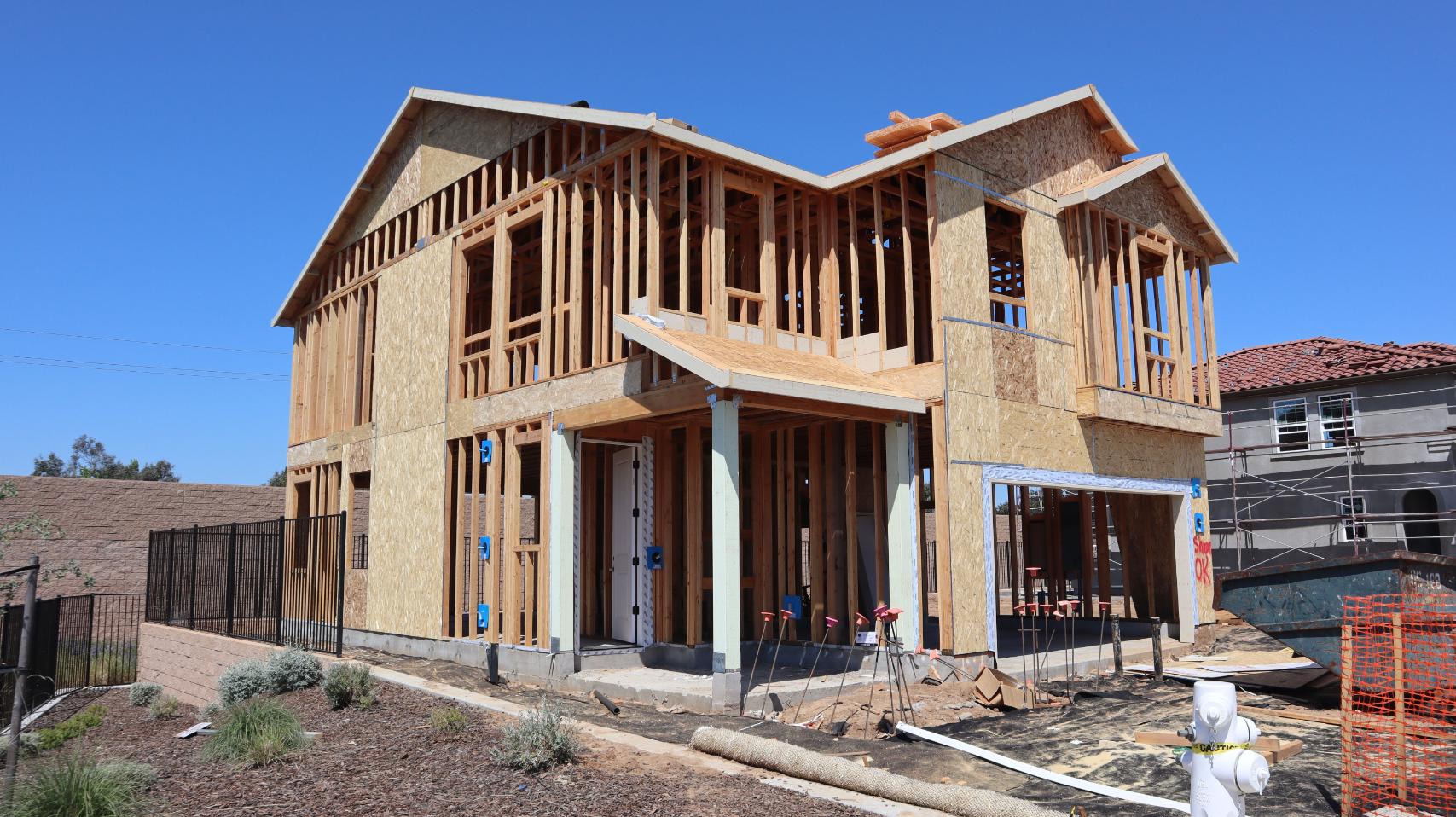
What Is an FHA One-Time Close Construction Loan?
An FHA One-Time Close Construction Loan, sometimes called a construction-to-permanent loan, lets you finance the land purchase, the construction costs, and your permanent mortgage all in a single loan with a single closing. You sign once. You qualify once. And once your home is built, the loan converts into a traditional FHA mortgage without you having to go through underwriting all over again.
That is why the program is also called construction-to-permanent financing. The loan begins by supporting the build and continues as the long-term mortgage on the finished home.
Why This Matters for Texas Homebuyers Right Now
Texas is in a strange and exciting moment. Land is still available in many growing areas, and lumber and labor costs have settled somewhat. Building has become a genuinely attractive option, not just a backup plan for people who couldn’t find anything on the MLS.
But building a home is stressful enough without worrying whether you’ll still qualify for your permanent mortgage six, nine, or twelve months down the road. Markets shift. Interest rates move. Your job situation, your credit, your debt-to-income ratio, none of that is guaranteed to look the same a year from now as it does today.
FHA Financing Can Make New Construction More Accessible
Many people assume building a home requires a large down payment and perfect credit. That may be true for some construction programs, but FHA financing is known for offering qualified borrowers greater flexibility.
FHA loans may allow a down payment as low as 3.5% when the borrower and transaction meet applicable requirements. They may also accommodate credit profiles that do not fit more restrictive conventional construction programs.
This does not mean construction financing is easy to qualify for. Your lender still reviews your income, credit history, debts, assets, reserves, and ability to manage the payment. The home must also fit within the applicable FHA loan limit.
Still, the combination of FHA’s lower down payment potential and a single construction-to-permanent structure can make building feel possible for buyers who thought custom construction was reserved for cash buyers or high-net-worth households.
You May Be Able to Finance the Land and Construction Together
An FHA construction-to-permanent loan may be used when you are purchasing the land as part of the transaction or when you already own the homesite.
If you own land, its eligible equity may help with the transaction under FHA rules. The way that equity is calculated depends on factors such as when and how you acquired the property, its appraised value, and the documented acquisition cost.
This can be valuable if you inherited land, received an acceptable gift of land, or purchased a lot before you were ready to build. Instead of viewing the land as separate from the home financing, the lender may be able to structure the homesite and construction project as a single package.
The details need to be reviewed early. Before signing a building contract or spending heavily on plans, you want your lender to evaluate the land ownership, liens, proposed budget, loan limit, and estimated completed value.
Your Builder Plays a Central Role
The FHA construction loan is not based on a loose estimate and a handshake with a contractor. The builder, plans, specifications, costs, and schedule must all meet lender and FHA requirements.
You generally need to work with a licensed general contractor who can demonstrate the experience and financial ability to complete the project. The lender may review the builder’s credentials, insurance, references, licenses, financial information, and construction history.
You usually cannot act as your own general contractor unless you are properly licensed and meet the applicable requirements.
Choosing the right builder is one of the most important decisions you will make. You want someone who understands organized construction draws, inspections, change orders, permits, and lender oversight. A talented builder who refuses to provide documents or follow a draw process can quickly become a financing problem.
How Construction Draws Protect the Project
The construction funds are not usually paid to the builder in a single lump sum at closing. Funds are released through a draw schedule as specific stages of construction are completed.
A draw might follow milestones such as the foundation, framing, roofing, mechanical systems, drywall, interior finishes, and completion. Inspections help confirm that the work tied to each request has been completed before additional funds are released.
This process protects you, the lender, and the project. It helps keep payments connected to real progress rather than promises.
The budget may also include an approved contingency reserve for unexpected construction costs, depending on the program and lender. That reserve can be important because even a well-planned build may encounter changes in material prices, site conditions, or necessary adjustments.
FHA One-Time Close vs. Two-Time Close Financing
The clearest advantage of an FHA One-Time Close loan is simplicity. You have one primary mortgage closing rather than separate construction and permanent loan closings.
That may reduce duplicated closing costs and paperwork. It can also limit the risk of having to qualify again after construction.
A two-time close may offer certain benefits in some situations. For example, you may have more freedom to shop for permanent financing after the home is completed. If market rates fall during construction, you might find better terms at the second closing.
But that flexibility comes with risk. Rates could rise instead. Your financial profile could change, or the permanent lender could impose different conditions.
With a one-time close, you trade some future shopping flexibility for greater certainty at the beginning. For many homebuyers, especially those working with a careful budget, that certainty is worth a great deal.
Benefits of an FHA Construction-to-Permanent Loan
The program can help you finance the land, approved construction costs, and a permanent mortgage through a single coordinated loan.
You may benefit from FHA’s lower down payment potential and more flexible qualifying approach. You also avoid having to obtain an entirely separate permanent mortgage once the work is complete.
The home is designed around your needs rather than the compromises of the resale market. You may choose a functional layout, efficient systems, modern construction materials, and features that support the way you plan to live for years to come.
There is also emotional value in building once and building thoughtfully. A forever home is not necessarily the largest or most expensive home. It is the place that continues to work as your family, career, mobility, and priorities change.
What to Consider Before You Build
An FHA One-Time Close Construction Loan still requires patience and preparation.
Construction can take longer than expected. Weather, permits, labor shortages, inspections, and material delays can affect the timeline. Changes made after the contract is signed may increase the cost and may not always be covered by the loan.
You also need to understand FHA mortgage insurance, property requirements, loan limits, and lender-specific construction guidelines. Not every FHA lender offers construction-to-permanent financing, and the lenders that do may have additional requirements.
Before moving forward, compare the complete projected payment, including principal, interest, property taxes, homeowners’ insurance, and FHA mortgage insurance. Review how payments are handled during construction and when regular amortization begins.
Most of all, leave room in your personal finances. A construction budget may cover the house, but you may still need money for moving, window coverings, furniture, landscaping, utility connections, or items outside the contract.
Turn Your Home Plans Into a Responsible Financing Strategy
Building your forever home can be one of the most meaningful projects you take on. It can also become stressful when the financing, builder, and budget are not aligned from the beginning.
An FHA construction-to-permanent loan brings those pieces together into a single mortgage structure. It can reduce the duplication and uncertainty of a traditional two-close process while giving qualified buyers access to FHA financing.
Start with the loan, the land, and the builder before you become attached to a set of plans. A knowledgeable construction lender can help you understand what the program allows, how much you may qualify for, and whether the completed home supports the proposed budget.
With careful planning and the right team, the empty lot in front of you can become more than a future idea. It can become the home where your life settles in, your family grows, and the years ahead begin to take shape.

Gerry is a licensed mortgage loan originator and digital marketer with 25+ years in the mortgage business, specializing in conversion rate optimization, SEO, AI Overviews, and generative engine optimization (GEO) for the mortgage and real estate industry. Today he builds agentic intelligent systems, meaning AI agents that research, create content, nurture leads, and handle follow-up, to help mortgage and real estate business owners get found online, convert more leads, and scale. Gerry pairs decades of hands-on industry knowledge with the latest AI tools, so his clients stay a step ahead of the market.